Pets in Wyoming State Park Cabins and Yurts: What to Ask
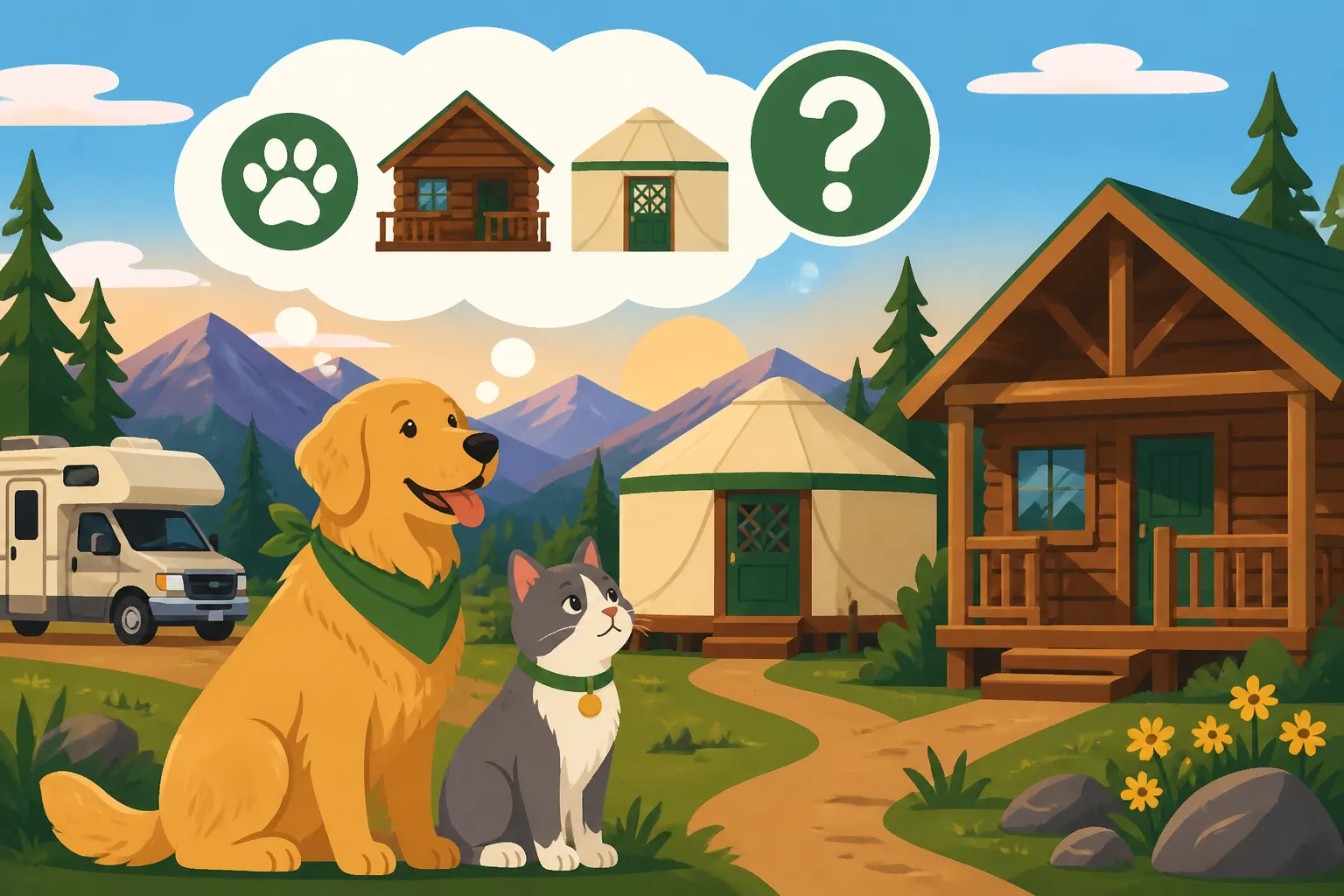
A pet-friendly campground does not automatically mean a pet can stay inside a cabin or yurt. Wyoming State Park rentals may have different conditions by unit, so the safest move is to confirm the policy for the exact place and dates before booking. These questions help you avoid a last-minute change of plans and choose a stay that works for both your group and your pet.
Confirm the policy for the exact rental
Start with the individual cabin or yurt listing, not a general assumption about the park. A park may offer several kinds of lodging, and the conditions for one rental may not match those for another. Even two units with the same name or style may have different details, so check the specific unit you plan to reserve.
Look for written information on the official Wyoming State Parks page or reservation system. If the listing is unclear, contact the park or the organization responsible for the reservation before you book. Ask for an answer tied to the exact unit and your stay dates, then save the response with your reservation details.
The key question is not simply, “Are pets allowed at the park?” Ask whether your pet may enter and stay inside the specific cabin or yurt. A park can welcome pets outdoors while still having separate conditions for indoor lodging. Likewise, permission for one rental does not establish permission for every rental at the same location.
When checking a listing, look for details such as:
- Whether pets are permitted inside that particular rental
- Whether permission depends on the kind, number, or size of pets
- Whether there are additional charges or other booking conditions
- Whether pets may be left alone inside
- Whether special cleaning or departure steps apply
- Whether the unit has restrictions that affect your pet’s comfort or safety
Treat missing information as a reason to ask, rather than as permission. A listing that says pets are allowed somewhere in the park may not explain whether they can stay overnight inside a rental. If the policy is not clear, get confirmation before paying or making travel plans around that unit.
This is especially important when comparing cabins, yurts, and other lodging. Wyoming’s state parks have different rental styles and amenities, and the details matter to a pet’s routine. For a broader look at the types of stays available, see Cabins, Yurts and Camp Shacks Across Wyoming State Parks. If you are deciding between a yurt and a cabin, Yurts Without Bathrooms vs Heated Cabins at Wyoming State Parks can help you think through comfort and facilities separately from the pet policy.
Keep the answer with your booking
Once you have confirmation, save a screenshot or email that names the unit and states the relevant condition. Keep it with your reservation confirmation so you can refer to it if you need to clarify something before arrival.
A short note that says “pets are allowed at this park” is less useful than an answer that specifically addresses your rental. If the confirmation is ambiguous, ask one follow-up question: “Does this apply to the cabin or yurt I reserved?” It is better to resolve a mismatch before the trip than at check-in.
If a policy changes or the reservation details are updated, review the latest information. Do not rely on an old listing, a comment from another visitor, or a memory of a previous stay as proof of the current conditions for your unit.
Questions to ask before you book
A quick conversation before booking can surface restrictions that are easy to miss in a short listing. Keep the questions specific and practical. You do not need to ask every question below if the official information already answers it, but make sure you understand the conditions that affect your pet and your plans.
Is my pet permitted inside this exact unit?
Ask about the interior of the rental, not only the surrounding grounds. If you are booking a specific cabin or yurt, use its name or identifying details when you ask. If the reservation system assigns the exact unit later, ask whether the pet policy applies to the unit type you are considering and whether any assignment could affect that permission.
If you have more than one pet, ask whether the policy applies to all of them. If your pet has a size or behavior-related consideration, describe it accurately and ask whether it changes eligibility. Avoid treating another renter’s experience as a rule for your own reservation.
Are there extra conditions or charges?
Ask whether there are added charges, deposits, or other conditions connected with bringing a pet. Do not assume that the displayed rental amount includes every possible cost, or that a pet-related charge applies. The provider can explain what applies to your booking and where it appears in the reservation details.
If a payment or condition is required, ask how it is handled and whether it appears in the reservation total or in a separate instruction. The point is to know what you are agreeing to before completing the booking, not to infer a charge from another park or a different unit.
Can the pet be left in the rental?
Ask whether a pet may be left unattended inside the cabin or yurt, even briefly. “Pets are permitted” may not answer this separate question. Your plans could include a walk, a meal, or an activity where the pet cannot join; find out whether the rental’s conditions allow you to leave the animal there and what safeguards or limits apply.
If the answer is no or uncertain, consider whether your itinerary can keep the pet with you. Do not plan on leaving a pet alone based on what seems reasonable or what another renter says they did. Follow the instructions that apply to your reservation.
What cleanup is expected?
Ask what you must do before leaving. The instructions may cover cleaning surfaces, removing pet hair, disposing of waste, or reporting damage, but do not assume a particular list applies to every rental. Ask the park or reservation provider what they expect for your unit.
Also ask what supplies are provided, if that affects your packing. Bringing your own cleaning materials and waste bags can be useful, but it does not replace the rental’s stated departure instructions. For general cabin departure preparation, see Cleaning a Wyoming State Park Cabin Before You Leave.
Are there conditions for outdoor areas?
Find out where a pet can go around the rental and what local rules apply. Ask whether there are pet restrictions near shared areas, trails, beaches, or other facilities you expect to use. Do not infer that permission to stay in a cabin or yurt gives a pet access to every park feature.
If you want a broader overview of pet planning at state parks, Visiting Wyoming State Parks With a Dog: Leash Rules and Limits is a useful companion. For swimming plans, check the specific area and conditions rather than assuming a dog can enter a swimming area; Dogs and Swimming Areas at Wyoming State Parks: What to Check focuses on that question.
What should I do if the pet policy is not clear?
Ask the park or reservation provider to clarify the written condition. If two official pages appear to conflict, mention both and ask which applies to your unit and dates. Keep the answer with your booking, and check the official information again before traveling in case the reservation details have changed.
Do not wait until arrival to resolve uncertainty. A pet may be difficult to accommodate in a different lodging arrangement at short notice, and a mistaken assumption can leave you with an unusable reservation or a stressful trip.
Match the rental to your pet’s needs
Permission is only one part of the decision. A rental can allow pets and still be a poor fit for a particular animal or travel routine. Think about the indoor space, the setting, your pet’s response to unfamiliar places, and how much time you expect to spend away from the unit.
A yurt may feel different from a cabin in layout, privacy, and available amenities. The official rental description is the best place to check what is inside and what the unit provides. What Is a Wyoming State Park Yurt Like Inside? offers a general overview of the yurt format, but the specific listing should guide your packing and expectations.
A cabin may be a better fit if your group needs a particular feature, but do not assume that cabins are more or less suitable for pets as a category. Check the individual listing and ask about the things that matter: entry arrangements, sleeping setup, heating, bathroom access, and any restriction that would affect your pet. Do Wyoming State Park Cabins Have Kitchens or Bathrooms? can help you prepare questions about those facilities.
Consider your pet’s behavior and routine
A new indoor space can be unsettling for some animals. Consider how your pet handles unfamiliar rooms, nearby voices, doors opening, and sounds from outside. If your pet is likely to bark, scratch, chew, or become anxious when left alone, plan around that rather than assuming the rental will be a comfortable place to wait.
Think through basic care before you reserve:
- Can your pet settle in a new space without constant supervision?
- Does your pet need frequent outdoor breaks?
- Can you keep the pet with you during the activities you have planned?
- Is the trip long enough to disrupt feeding, medication, or rest routines?
- Can you manage muddy paws, shedding, or wet fur without damaging the rental?
- Do you have a secure way to transport and control your pet outside?
These questions are not a substitute for the park’s rules. They help you decide whether a rental that permits pets is still the right choice for your animal.
Plan for the rental’s actual amenities
Do not assume a cabin or yurt has the same features as your home or a different park rental. Confirm the available sleeping arrangements and facilities, then pack accordingly. If you need pet-specific items such as a bed, crate, bowls, towel, or familiar blanket, bring them unless the official listing or park confirms they are supplied.
A crate can help some pets settle, but it should not be used in a way that conflicts with the rental conditions or your pet’s needs. If you are considering a crate, ask whether the unit has enough room and whether any restrictions apply. Similarly, do not assume your pet can be secured to furniture or left in a vehicle as a workaround. Ask the park about the actual policy and make a safe plan that does not rely on guesswork.
Check how you will handle outdoor breaks. The unit’s location and surrounding area may affect how convenient it is to take your pet out, especially at night or in poor weather. Ask about the nearest appropriate outdoor area and follow the park’s directions for pets and shared spaces.
Think about other people and animals nearby
A pet-friendly stay still involves shared space. Your pet may encounter other visitors, pets, wildlife, vehicles, or activity near the rental. Consider whether your animal can remain under control in those situations and whether you can keep a comfortable distance from others.
If your dog is easily startled or reactive, ask about the unit’s surroundings and whether another location would better suit your trip. If your pet is a cat or another animal, consider how you will prevent escape when doors open and how you will manage transport and supervision. Pet permission does not remove the need to protect the animal and respect other guests.
Prepare for arrival, the stay, and departure
Once you have a confirmed pet-friendly reservation, use the rental details to plan each part of the stay. The goal is to arrive with the right supplies, follow the unit’s conditions, and leave it in the state the park expects.
Before leaving home
Review the reservation and the official rental listing close to departure. Confirm the unit, check-in instructions, and any pet-related conditions. If you have questions about keys or arrival procedures, Arriving at a Wyoming State Park Cabin: Check-In and Keys can help you identify the details to verify.
Pack for both the pet and the lodging. A practical kit may include:
- A familiar bed or blanket
- Food, treats, and feeding bowls
- Water and a portable bowl for outings
- A leash or other restraint appropriate to the pet
- Waste bags and a plan for disposal
- Towels for wet or dirty paws
- Cleaning supplies suitable for the surfaces, if permitted
- Medication and a copy of relevant care instructions
- A crate or carrier, if suitable and allowed
- Identification information and a current photo of the pet
The exact items depend on the pet and the unit. Do not assume that pet supplies, cleaning materials, or outdoor waste facilities will be provided. Check the listing and ask the park if an item is essential to your plan.
If your pet has a medical condition, arrange care and supplies before traveling. A remote or unfamiliar setting may make it harder to replace a forgotten medication or find a familiar product. Keep essential items accessible rather than packed where they cannot be reached during the drive.
At check-in
Read the instructions for your specific unit before settling in. If anything differs from what you were told, pause and contact the park or reservation provider to clarify it. Do not treat a general park sign or an informal comment as a replacement for the conditions attached to your reservation.
Before bringing the pet inside, check the space for an obvious concern, such as a damaged screen or a door that does not latch securely. If you find a problem, report it through the official contact method listed by the park. Do not make repairs or changes that could create additional damage.
Set up a familiar resting area and keep the pet’s food and water organized. Store supplies so they do not interfere with the unit or create a cleanup issue. Keep the pet under control while unpacking, when doors are open, and when moving through shared areas.
During the stay
Follow the conditions you confirmed, including any limits on where the pet can go and whether it can be left alone. Keep the animal from disturbing other guests, and clean up promptly. If your pet makes a mess or causes damage, report it rather than hoping it will go unnoticed.
Plan regular breaks and keep the pet’s routine as steady as the trip allows. Bring water when heading away from the unit, and avoid leaving an animal in a situation where weather, heat, cold, or lack of supervision could create a risk. If your plans change and the pet cannot safely stay at the rental, contact the park for direction instead of improvising a solution.
When using shared facilities or outdoor areas, check posted directions and the current park information. Conditions around water, trails, or other visitor areas can vary, so do not assume that a pet may go everywhere you do. Keep the animal close enough to manage safely and give other visitors room.
Before leaving
Follow the departure instructions for the unit, including any pet-specific cleanup steps. Remove pet food, waste, and personal supplies. Check the sleeping area and floor for fur or debris, and leave the space as directed by the rental information.
If damage or a problem occurred, report it using the park’s official contact information. Do not rely on a later visitor or staff member to discover it. For a broader cabin departure checklist, see Cleaning a Wyoming State Park Cabin Before You Leave.
Have a backup plan before the trip
Even with a confirmed reservation, it helps to know what you will do if the policy or your pet’s needs make the stay impractical. A backup plan should be realistic before you begin driving, not something you have to invent after arrival.
If the rental does not allow your pet, or if a restriction makes the unit unsuitable, contact the reservation provider about available options. Do not assume you can bring the animal anyway, switch units without approval, or leave the pet unattended elsewhere. Ask what choices are available for your booking and make any change through the official reservation process.
If you are still comparing lodging, look at the overall range of accommodations and requirements using Picking a Wyoming State Park by Campsite, Cabin and Hookup Type. A campsite may suit some pet owners better than an indoor rental, but it has its own planning considerations. Review Camping in Wyoming State Parks: Passes, Campsites, Cabins and Rules before treating a campsite as an automatic substitute.
You can also consider whether the trip is workable if your pet cannot join a particular activity. Identify pet-friendly parts of your itinerary, plan for breaks, and decide whether someone in your group can stay with the animal when needed. If the answer is no, revise the plan in advance rather than relying on an unconfirmed exception.
A few practical backup steps can prevent a difficult arrival:
- Save the official pet-policy confirmation and reservation details.
- Keep the park’s current contact information accessible from its official website.
- Review the policy again before travel.
- Identify an alternative lodging or trip plan that genuinely works for your pet.
- Contact the reservation provider before making any change to the unit or booking.
The central rule is simple: confirm the exact rental, understand the conditions, and make plans that do not depend on assumptions. That approach applies whether you are booking a cabin, a yurt, or another kind of state park lodging.
Frequently Asked Questions
Are pets allowed in every Wyoming State Park cabin or yurt?
Do not assume that they are. Check the official listing and confirm the policy for the exact unit and dates before booking.
If a park allows dogs, does that mean a dog can stay inside its rental?
Not necessarily. Outdoor access and indoor lodging can have separate conditions. Ask specifically whether your pet may stay inside the cabin or yurt you plan to reserve.
Can I leave my pet alone in a cabin or yurt?
Ask the park or reservation provider. Permission to bring a pet does not by itself answer whether it may be left unattended.
What should I do if the official listing is unclear?
Contact the park or reservation provider and request confirmation tied to your specific rental. Keep the answer with your reservation, and check the official information again before traveling.
Disclaimer
This article is for general informational purposes only and does not constitute professional advice. Laws, prices and regulations vary by location and change over time. Consult a qualified professional for guidance on your specific situation. Wyoming Camping & RV is not a government agency and is not affiliated with any government agency.