Do Kids Count Toward the Vehicle Entry Fee at Wyoming State Parks?
When you’re planning a Wyoming state park day trip with children, it’s easy to wonder whether each passenger adds to the entry cost. The key distinction is whether the charge is based on the vehicle or on each visitor. Here’s how the resident state park day-use fee differs from historic-site admission, and what to check before your family sets out.
The short answer: state park day use is charged by vehicle
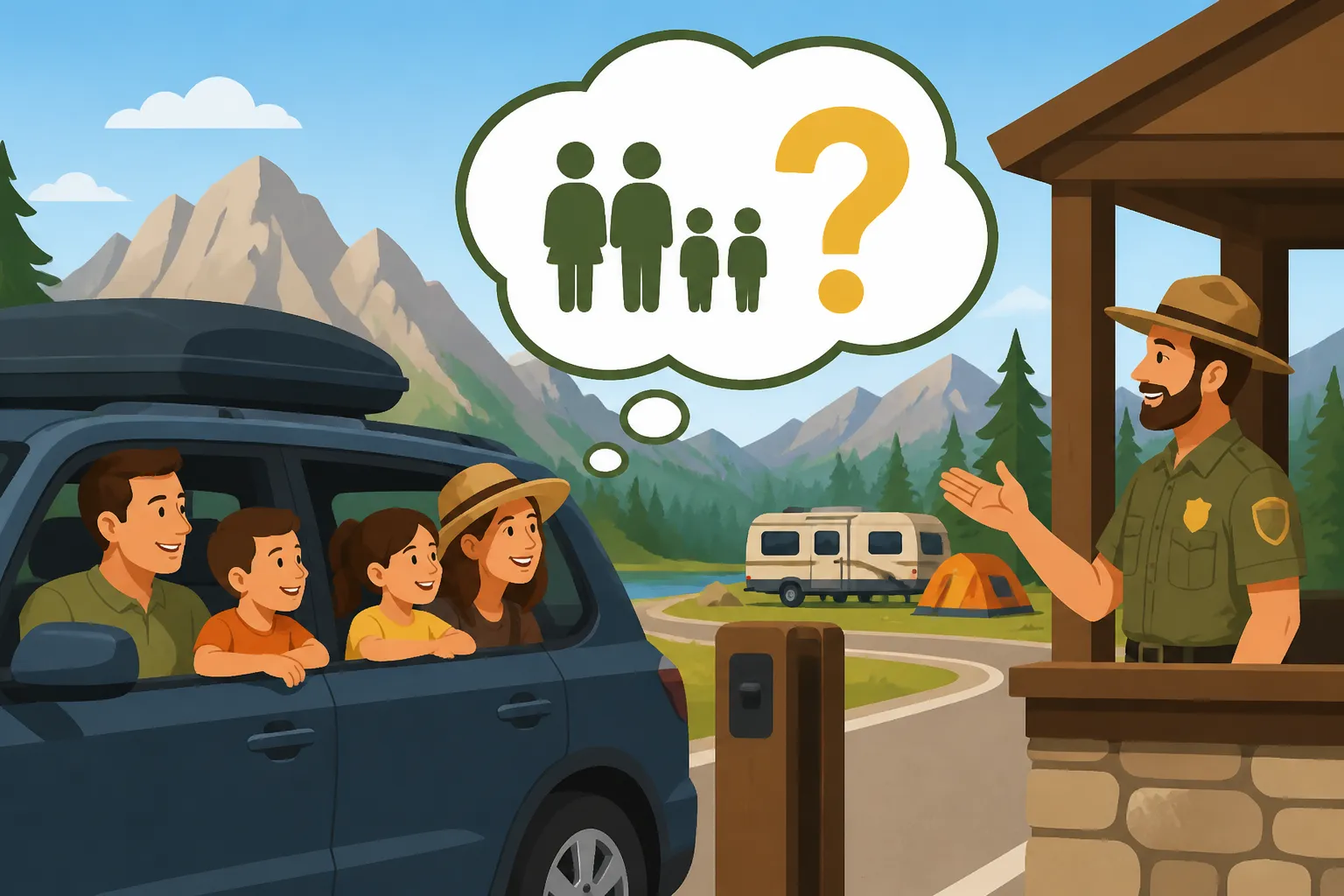
For Wyoming residents, the state park day-use fee is based on the vehicle, not the number of people riding in it. According to Wyoming State Parks, Historic Sites, & Trails, Wyoming residents pay $7 per day, per vehicle for state park day use. A child riding in the vehicle does not create a separate child entry charge under that vehicle-based rate.
The prices discussed here reflect the 2026 fee schedule published by Wyoming State Parks, Historic Sites, & Trails, as of November 2026.
That answers the central question, but it helps to keep the scope narrow: this is about resident day use at a state park. A vehicle-based day-use charge should not be treated as a blanket price for every kind of visit, every fee category, or every place managed as part of the state park system.
For family budgeting, count the vehicles that will be entering rather than the adults and children riding in each one. If several relatives arrive together in a single vehicle, the resident day-use fee is still described on a per-vehicle basis. If the group arrives in separate vehicles, check the current fee schedule for how the charge applies to each vehicle. The fee wording does not turn into a per-child charge simply because the passengers are children.
The vehicle distinction matters most when comparing a park outing with a visit to a historic site. Historic-site admission uses a different structure: it is described per adult, and children are free. That means a family should first identify the type of destination, then check the fee category for that place rather than assuming that the state park day-use rule applies everywhere.
A useful way to remember it is:
| Visit type | What the resident day-use fee is based on | What to keep in mind |
|---|---|---|
| State park day use | The vehicle | Children riding in the vehicle do not create an additional child-based charge under this rate |
| Historic-site day use | The adult visitor | Children are free under the stated historic-site day-use fee |
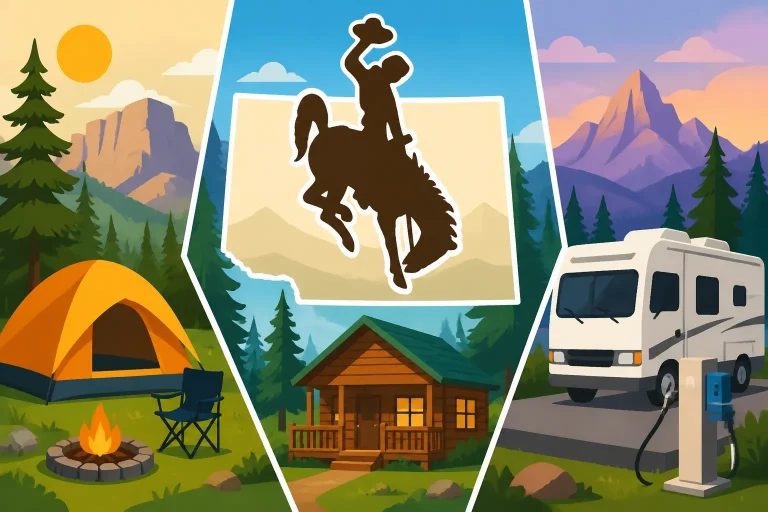
| Camping or lodging | A separate camping or lodging fee category may apply | Check the current fee schedule and details for the specific stay |
The table is a comparison of the fee structures described here, not a complete list of every possible charge. Before leaving, check the current fee schedule published by Wyoming State Parks, Historic Sites, & Trails and confirm which category fits your plans.
Why the vehicle fee and historic-site fee are different
A per-vehicle charge and a per-adult charge answer different questions. The state park day-use rate identifies the vehicle as the unit being charged. The historic-site day-use rate identifies adults as the unit being charged, with children free. Those distinctions matter when planning a family visit or combining a park outing with a history stop.
According to Wyoming State Parks, Historic Sites, & Trails, resident historic-site day use is $4 per day, per adult (kids are free). That is not the same rule as the state park day-use fee. Don’t use the number of children to estimate a state park vehicle charge, and don’t use the number of vehicles to estimate historic-site admission.
At a state park
For resident day use at a state park, the listed basis is the vehicle. This means a parent does not need to add a separate child admission amount to the stated resident vehicle fee just because a child is along. If your family is arriving in more than one vehicle, look at the current fee instructions with the vehicle count in mind.
The vehicle rule also helps when coordinating a family outing. Rather than trying to price the state park day-use charge by each passenger, first work out which vehicles will be arriving and whether the visit is day use or includes camping. For details on what a day-use permit covers, see What Is Wyoming’s Daily Use Permit, and What Does It Cost?. To compare pass types, Daily Use Permit vs Camping Pass: What Each Wyoming Sticker Covers explains why a day-use visit and an overnight stay should be considered separately.
At a historic site
At a historic site, the stated resident day-use rate is adult-based, and children are free. If your itinerary includes both a state park and a historic site, calculate them as separate stops with their own fee categories. The state park’s per-vehicle wording does not describe historic-site admission, and the historic-site adult rate does not replace the vehicle basis used for state park day use.
This distinction is useful when a family is deciding whether to make a brief stop at a historic site while traveling to or from a park. The child’s admission treatment at a historic site is not evidence that the state park charges by passenger, nor does the state park vehicle fee mean historic-site admission is charged by car. For more on that separate question, see Why Wyoming Historic Sites Charge Per Adult but Let Kids In and Does a Wyoming State Park Sticker Cover Historic Site Admission?.
For a visit that includes more than day use
A day-use entry fee is not the same thing as a campsite or rental charge. If your family plans to stay overnight, look up the camping or lodging price separately and check what the fee includes. The entry charge and the cost of a campsite or accommodation may be separate parts of the trip budget.
That is especially important when children are joining a camping trip. The fact that a child does not add a separate passenger charge to the resident state park day-use rate does not tell you how a particular campsite, cabin, yurt, or other rental is priced or occupied. Use the details for the specific stay rather than carrying the day-use rule over to lodging. How Camping Fees Add Up at a Wyoming State Park and Camping in Wyoming State Parks: Passes, Campsites, Cabins and Rules can help you sort out the broader camping costs and choices.
Family trip examples: what to count and what to check
The fee structure is easiest to apply when you separate the visit into two questions: what kind of destination are you entering, and what kind of visit are you making? The examples below show how to think through those questions without treating children as an extra state park vehicle fee.
A family arriving together
If a Wyoming resident family is visiting a state park for the day and traveling together in a vehicle, the listed day-use fee is tied to that vehicle. The children riding along do not add a separate child entry charge to that resident vehicle-based rate. You do not need to multiply the state park day-use price by the number of passengers.
Still, confirm the fee category before setting out. A family might plan a picnic, a walk, or another day visit, but decide to camp as well. Once the plan includes an overnight stay, look at camping costs and any applicable permits separately. A day-use fee answers the entry question; it does not, by itself, establish what an overnight visit will cost.
Relatives arriving separately
If relatives are meeting your family at the park, think about the vehicles they are bringing, not only how many children are in the group. The resident state park day-use wording is vehicle-based. For separate arrivals, check the current fee schedule and the park’s official information so the group understands how the charge applies to each arriving vehicle.
That check is more useful than asking whether every child needs an individual ticket. The resident day-use rate is not presented as a per-child price. If the group is also visiting a historic site, make a separate estimate for that stop using its adult-based day-use structure.
A park day followed by a history stop
A family might visit a state park and then continue to a historic site, or plan both stops as part of the same outing. Treat them as different fee questions. The state park day-use charge is based on the vehicle; the stated historic-site day-use charge is based on adults, with children free.
Do not assume that paying a state park day-use charge covers admission at a historic site, or that historic-site admission covers the state park. Check what applies to each destination. What It Costs to Visit Wyoming State Parks for the Day is a useful companion for the park side of the budget, while Does a Wyoming State Park Sticker Cover Historic Site Admission? addresses the separate coverage question.
A day visit at Edness K. Wilkins
Some locations can have specific fee details worth checking rather than relying on a general explanation. If Edness K. Wilkins State Park is on your itinerary, review its current information alongside the statewide schedule. The article Edness K. Wilkins Entry Fees for Residents and Nonresidents focuses on that location’s entry-fee question.
This is a good habit for any family outing that includes a destination with its own page or fee notes. A general rule helps identify whether the charge is per vehicle or per adult, but the location’s official information is the right place to verify the category and payment instructions for the planned visit.
A trip with a camping pass or another permit
A pass or permit may have its own coverage rules, so do not assume that it changes the underlying distinction between a vehicle-based state park day-use fee and adult-based historic-site admission. Check the current description of the specific pass and the place you plan to visit. If your trip mixes day use with camping, separate those costs in your budget instead of treating a single permit as a catch-all.
For a family comparing options, Buying a Wyoming State Park Pass: Which Sticker Fits Your Trip and Does a Wyoming State Park Sticker Cover National Park or Forest Fees? can help clarify which questions to ask about coverage. Confirm the applicable details with Wyoming State Parks, Historic Sites, & Trails before relying on a pass for a particular stop.
How to check the right fee before your family leaves
A quick check before departure can prevent the most common budgeting mistake: applying the right fee rule to the wrong kind of visit. Use the official fee schedule and destination information from Wyoming State Parks, Historic Sites, & Trails, and make sure the details match your residency and plans.
Identify the destination category
Start by confirming whether your stop is a state park or a historic site. The names may appear together in state system materials, but their day-use rates can have different bases. The resident state park day-use fee is tied to a vehicle; the stated historic-site day-use fee is tied to adults, with children free.
If your itinerary includes both categories, keep separate lines in your budget. That makes it less likely that you will treat a park entry fee as historic-site admission or assume that a historic-site payment covers a state park visit.
Identify the kind of visit
Next, check whether the outing is day use, camping, or an overnight stay in a rental. The fee information for resident state park day use does not answer every question about campsites or accommodations. Look up the specific fee category for the planned visit and read the current terms for that category.
For example, a family may arrive for a daytime outing and later decide to stay overnight. In that case, use the park’s current camping information to understand the overnight cost and requirements. The vehicle-based day-use fee and the cost of staying overnight are separate questions to verify.
Confirm residency and the current schedule
The rates described here are for Wyoming residents. If the driver or visitor does not qualify for resident pricing, do not assume these amounts apply. Check the current schedule and the official instructions for residency-based rates. When residency affects the fee, the official source is the right place to confirm what documentation or eligibility rules apply.
Fees can change, so check the current published schedule close to the trip. Do not rely only on an old screenshot, a saved note, or a secondhand description. If a park’s location-specific page and the statewide fee schedule seem to differ, use the official information for the destination and contact Wyoming State Parks, Historic Sites, & Trails through its official website to clarify which fee applies.
Check coverage if you have a pass
If you already have a pass or plan to obtain one, verify what it covers rather than assuming it replaces every admission or camping charge. A pass can have limits tied to the type of visit or location. Use the official pass description to see whether it applies to the planned state park day use, a historic site, camping, or another part of the trip.
That check is particularly worthwhile for families planning several stops. A pass that is useful for one part of an itinerary may not settle the entry question for a different type of destination. Keep the visit categories distinct and confirm each one with the official information.
A simple family budgeting approach
For an uncomplicated day trip, begin with the destination and visit type, then apply the appropriate fee basis. At a state park, the resident day-use charge is per vehicle, so children do not add a separate passenger fee under that rate. At a historic site, use the adult-based day-use rate and account for children as free under the stated rule.
If the outing involves multiple vehicles, a combination of park and historic-site stops, or an overnight stay, split the budget into those parts. The goal is not to make the calculation complicated; it is to avoid mixing rules that apply to different fees. Keep the vehicle-based park entry separate from adult-based historic-site admission and from camping or rental costs.
Before departure, verify the following:
- The destination is listed as a state park or historic site.
- The visit is day use, camping, or a rental stay.
- The rate is for Wyoming residents, if you are using the resident schedule.
- The number of vehicles matches the way the state park day-use fee is described.
- Any pass you intend to use covers the specific place and type of visit.
- The current official fee schedule and location details agree with your plan.
These checks are especially helpful for group outings. Families often focus on the number of children because many attractions charge per person. Here, the important question for resident state park day use is the vehicle basis. For historic-site day use, the relevant basis is adults, and children are free.
If you are unsure whether a particular stop falls into one category or another, check the destination’s official listing rather than estimating from the name alone. That small step helps avoid applying the correct rule to the wrong place. For more about common fee and permit misunderstandings, see Common Sticker and Permit Mistakes on a Wyoming State Park Visit.
Frequently Asked Questions
Do children increase a Wyoming resident state park day-use fee?
No. For resident state park day use, Wyoming State Parks, Historic Sites, & Trails describes the charge by vehicle rather than by passenger, so a child does not add a separate child-based entry charge.
Are children free at Wyoming historic sites?
Yes. Wyoming State Parks, Historic Sites, & Trails lists resident historic-site day use on an adult basis and says children are free. Check the current schedule for the site you plan to visit.
Does the state park vehicle fee cover camping?
The vehicle-based day-use rate does not establish the cost or terms of an overnight stay. Check the current camping or lodging information for the specific park.
Should I use the same fee rule for a park and a historic site?
No. The resident state park day-use charge is based on the vehicle, while the stated historic-site day-use charge is based on adults, with children free. Check each destination’s official details if your trip includes both.
Sources
- Wyoming State Parks, Historic Sites, & Trails — Wyoming State Parks, Historic Sites, & Trails – Permits & Fees (checked November 23, 2026)
Disclaimer
This article is for general informational purposes only and does not constitute professional advice. Laws, prices and regulations vary by location and change over time. Consult a qualified professional for guidance on your specific situation. Wyoming Camping & RV is not a government agency and is not affiliated with any government agency.